Healthcare workers (HCWs) with COVID-19 had more severe symptoms that lasted longer than those with other respiratory diseases, and a higher proportion met the World Health Organization (WHO) or UK National Institute for Health and Care Excellence (NICE) definitions of long COVID, according to a report published in Viruses and Viral Diseases.
A team led by Murdoch Children's Research Institute investigators in Parkville, Australia, also identified older age, chronic respiratory disease, and pre-existing symptoms as risk factors for long COVID, also known as post-acute COVID-19 syndrome (PACS).
Data from phase 3 clinical trial
The researchers analyzed data on long-COVID symptoms, duration, and pre-existing symptoms from the multinational randomized controlled trial (RCT) BRACE trial on HCWs diagnosed as having COVID-19 or another respiratory illness for 1 year after diagnosis.
Participants were tested for COVID-19 infection if they reported symptoms, gave blood samples every 3 months for evaluation for SARS-CoV-2 antibodies, and completed quarterly surveys. A subsample of 184 COVID-19 and 184 non-COVID controls were also chosen for a case-control analysis of daily symptom data with an extended pre- and post-infection follow-up period.
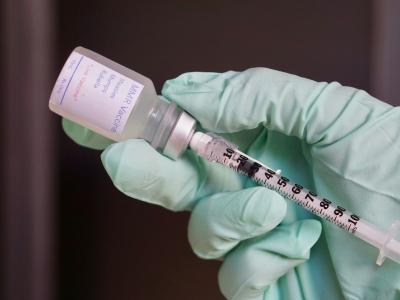
BRACE is a phase 3 RCT assessing the effect of bacillus Calmette-Guérin (BCG) tuberculosis vaccination on COVID-19 infection in HCWs in Australia, Brazil, the Netherlands, Spain, and the United Kingdom from March 2020 to April 2021.
More extensive systemic effects
The 593 COVID-infected HCWs had significantly more severe disease than 1,112 participants with other respiratory illnesses (odds ratio [OR], 7.4). The persistence of symptoms met both the NICE and WHO long-COVID definitions in a higher proportion of COVID-19 survivors than those with other respiratory diseases (2.5% vs 0.5%, respectively; odds ratio [OR], 6.6 for NICE and 8.8% vs 3.7%; OR, 2.5 for WHO).
Consideration of the association between pre-existing symptoms and PACS is important for understanding the aetiology and pathophysiology of PACS, and managing patients with ongoing symptoms.
COVID-19 participants had a greater symptom range and duration than controls and most often reported fatigue, muscle aches, headache, and loss of taste and/or smell, which the researchers said is consistent with the more extensive systemic COVID-19 effects. "These findings support the histopathological evidence of an exuberant immune reaction associated with SARS-CoV-2 infection," they wrote.
For the COVID-19 group, age 40 to 59 years (adjusted OR [aOR], 2.8), chronic respiratory disease (aOR, 5.5), and pre-existing symptoms (aOR, 3.0) were risk factors for long COVID. Some participants also reported that they had long-COVID symptoms (32% with fatigue and muscle aches and 11% with intermittent cough and shortness of breath).
"Consideration of the association between pre-existing symptoms and PACS is important for understanding the aetiology and pathophysiology of PACS, and managing patients with ongoing symptoms," the researchers wrote.