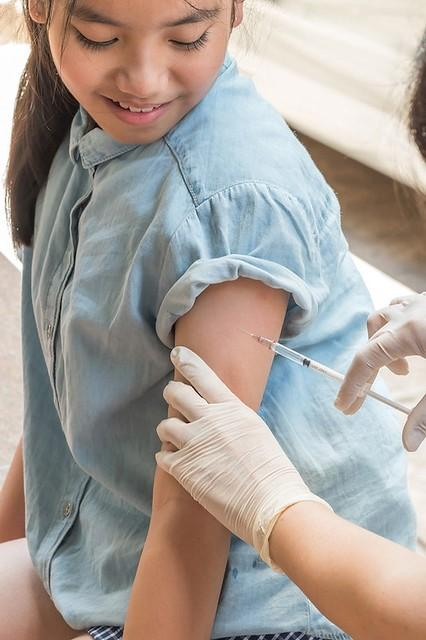
A research letter published yesterday in JAMA Pediatrics suggests that while most teens seen in Children’s Hospital of Philadelphia (CHOP) primary care clinics completed the human papillomavirus (HPV) vaccine series before becoming sexually active, 12% had not received any doses, representing a missed opportunity for cancer prevention.
The researchers analyzed the electronic health records (EHR) from 9,491 patients aged 13 to 18 years seen at 31 CHOP-affiliated primary care practices from September 2023 to September 2025. The teens had reported sexual activity on the Adolescent Health Questionnaire.
The average patient age was 17.0 years, 47% were girls, 40% were Black, 40% were White, 9% were Hispanic, 11% were another race, 44% were Medicaid-insured, and 33% lived in very low Child Opportunity Index neighborhoods.
Starting series at age 9 reduced unvaccination rates
In total, 79% of teens had completed the HPV vaccine series before becoming sexually active, 12% hadn’t received any dose, and 9% had started but not completed the series. Of patients who were unvaccinated before starting sexual activity, 70% were never vaccinated, 23% later initiated the series, and 7% completed the series after becoming sexually active. Unvaccinated teens were disproportionately White (49%) and commercially insured (59%).
Given that all adolescents had recent primary care visits, family acceptance of vaccination, physician recommendation practices, and clinic workflows, rather than health care access, likely drive missed opportunities.
Clinic-level pre-sex vaccination rates ranged from 5% to 47%. Greater neighborhood opportunity, commercial insurance, and longer distance from the main hospital were linked to an increased likelihood of not being vaccinated before initiation of sexual activity. Clinics that more often initiated HPV vaccination at age nine had lower unvaccination rates (−0.89%).
“Given that all adolescents had recent primary care visits, family acceptance of vaccination, physician recommendation practices, and clinic workflows, rather than health care access, likely drive missed opportunities,” the study authors wrote.
The finding of higher vaccine uptake in clinics that more often started HPV vaccination earlier in life supports offering HPV vaccination at age nine or 10. “Additional strategies to routinize HPV vaccination and reduce variation should include presumptive communication, staff training, and workflow redesign,” they wrote.
_0.jpg)