A new report this week from the World Health Organization (WHO) highlights the progress that’s been made in efforts to control malaria, along with the threats that could undo that progress.
Among the encouraging signs from the WHO’s annual world malaria report, which includes data from 80 malaria-endemic countries, is that tools like vaccines, dual-ingredient mosquito nets, and seasonal malaria chemoprevention have helped prevent an estimated 170 million malaria cases and one million deaths in 2024, and have contributed to saving 14 million lives worldwide since 2020, WHO officials said at a press briefing. And more countries are integrating these tools into their health care systems.
In addition, the number of countries and territories that have eliminated the mosquito-borne disease has risen to 47, with five countries being certified as malaria-free in 2024 and 2025.
Still, there were an estimated 280 million malaria cases and 610,000 deaths in 2024, an increase of nine million cases over the previous year, and progress in reaching goals for reducing malaria deaths remains off track. Roughly 95% of malaria deaths in 2024 occurred in African children. And resistance to insecticides and a critical drug in the malaria treatment regimen is growing in Africa.
“Despite all this good news, too many people are dying from a preventable and curable disease,” said Daniel Ngamije, MD, MPH, WHO’s director of malaria & neglected tropical diseases. “Progress is being threatened by a good number of factors.”
More insecticide-treated nets, vaccines, preventive treatments
According to the report, 181 million insecticide-treated nets (ITNs) were distributed in malaria-endemic countries in 2024, 90% of them in countries in sub-Saharan Africa. These included 75 million containing piperonyl butoxide (PBO), an ingredient that the WHO recommended adding to ITNs to protect against rising resistance to pyrethroids—the main ingredient in ITNs—in mosquitoes that carry Plasmodium falciparum and other parasites that cause malaria.
Resistance to pyrethroid, confirmed in 48 countries, reduces the effectiveness of ITNs, a tool that has long been critical to malaria-control efforts and has been found to reduce deaths in children under five years by as much as 50%. Thirty-three million of the ITNs distributed in Africa were newly recommended dual-active nets, which have been shown to be more effective than pyrethroid-only ITNs.
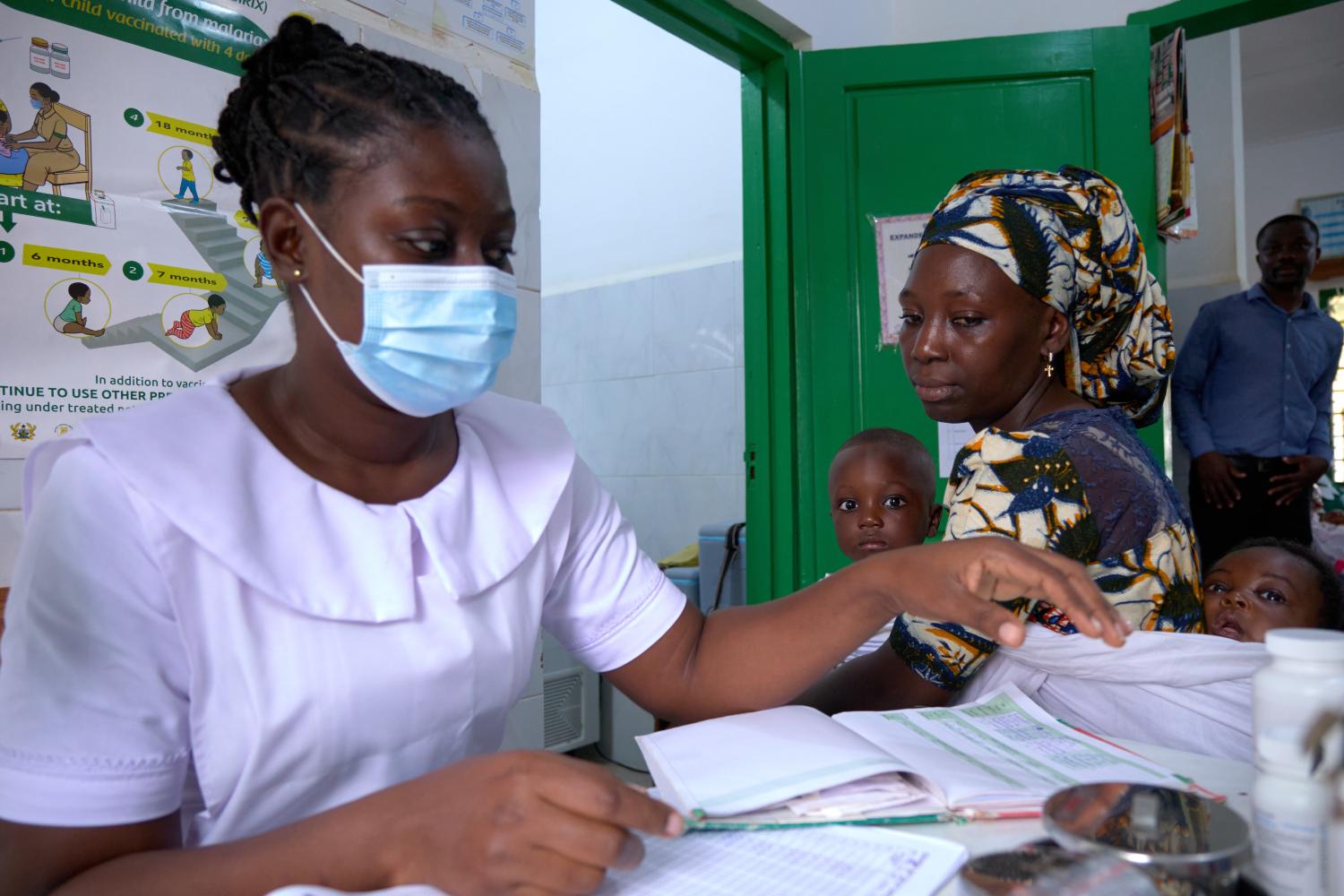
Use of two WHO-recommended malaria vaccines for children—RTS,S and R21/Matrix-M—also expanded in 2024, with 14 countries introducing the vaccines, bringing the total number of implementing countries to 17. At least 2.1 million children in those countries were reported to receive one or more vaccine doses during the year. And seven more countries adopted the vaccines in 2025.
Despite all this good news, too many people are dying from a preventable and curable disease.
The RTS,S vaccine was first rolled out by the WHO in 2019 in selected areas of Ghana, Kenya, and Malawi, where it demonstrated a 13% reduction in all-cause mortality and a 22% reduction in severe malaria among vaccine-eligible children. That success resulted in WHO pre-qualification in 2022 and subsequent expansion of the program in Africa. The R21/Matrix-M vaccine was pre-qualified in 2023.
The WHO estimates that use of the two vaccines could prevent up to half a million child deaths from malaria by 2035 if scaled up in moderate- and high-transmission areas.
The report also notes that seasonal malaria chemoprevention, which involves administering antimalarial drugs to children during the peak malaria transmission season, has been expanded and is being implemented in 20 countries, reaching an estimated 54 million children in 2024.
“We’ve seen these new tools have an impact on the malaria pattern,” said lead report author Arnaud Le Menach, PhD, MPH.
The threat of artemisinin resistance
But WHO officials and other malaria experts at the briefing expressed deep concern about the emergence and spread of partial artemisinin resistance in Africa, where more than two-thirds of malaria cases occur. Artemisinin is the backbone of the artemisinin-combination therapies (ACTs) that have contributed to significant reductions in malaria deaths and complications in Africa.
Artemisinin resistance is linked to malaria parasites with pfhrp2 gene deletions, which have now been detected in eight African countries, the WHO said. Those mutations also affect rapid diagnostic tests, which can’t detect strains with pfhrp2 and phfrp3 gene deletions. In addition, there are signs of declining efficacy of other drugs used in ACTs.
Martin Fitchet, MD, CEO of the Medicines for Malaria venture, likened the threat of artemisinin resistance to the spread of chloroquine-resistant malaria, which was first detected in the mid-1950s in Southeast Asia and spread throughout Africa in the 1980s and 90s.
“The collapse of chloroquine was not just a medical issue; it was a humanitarian disaster, a human tragedy, with a loss of millions of lives,” Fitchet said. “Today, we can see from this report that the red lights are flashing again, with an increasing number of resistant mutations emerging in the parasite on the African continent.”
WHO officials also said they’re worried that climate change is contributing to increased malaria outbreaks, that conflict and instability in affected regions is limiting access to diagnosis and timely treatment, and that reduced funding from countries like the United States threatens to derail the progress that’s been made.
“This is the time for countries to lead their malaria response by translating political will into resources and actions,” Ngamije said. “It’s also the time for global solidarity and partner alignment.”