Recently approved RSV prevention therapies may be next FDA target

News brief
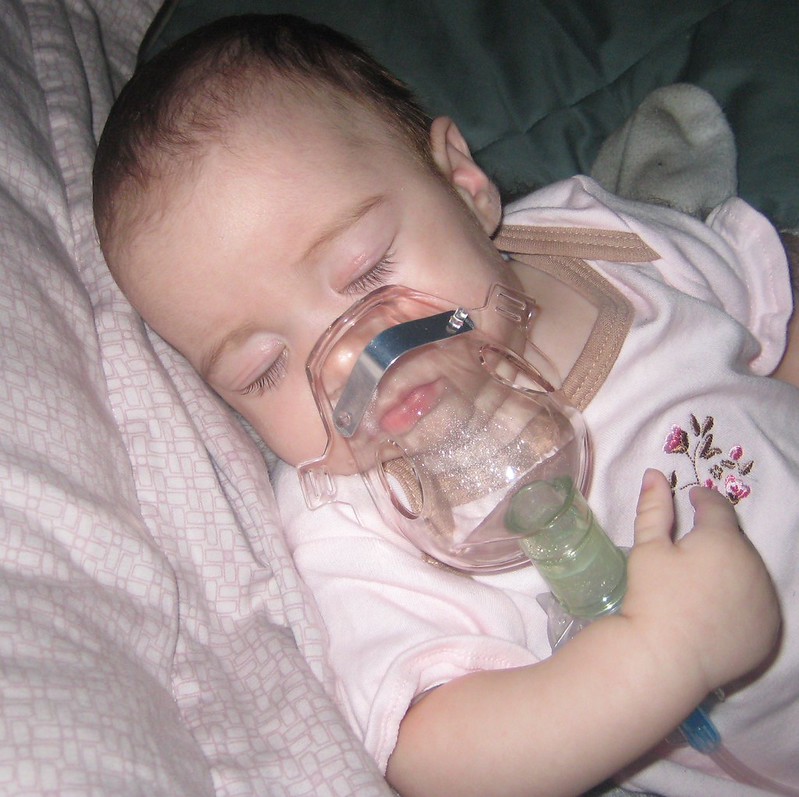
rsv baby
Jon Works/Flickr cc

The Food and Drug Administration (FDA) is investigating the safety of recently approved respiratory syncytial virus (RSV) prevention therapies, including Beyfortus (nirsevimab) and Enflonsia (clesrovimab-cfor). Beyfortus was approved for use in 2023, and Enflonsia this past summer.

The monoclonal antibodies have been recommended for use by the FDA as recently as this summer, but Reuters reports that US Health Secretary Robert F. Kennedy Jr. has questions concerning potential risks of the drugs, including seizures. Several studies have found no signs of increased seizure risks. 

According to Reuters, senior FDA adviser Tracy Beth Hoeg, MD, PhD, began raising safety questions internally at the FDA in June. Her efforts led the FDA’s Center for Drug Evaluation and Research to host a call last week with executives from Merck, Sanofi, and AstraZeneca, the maker of the monoclonal antibodies, asking them to provide further safety evidence.

The alleged link to seizures apparently was first made by an Australian journalist this summer in a blog post.

2% to 3% of infants hospitalized for RSV

Kevin Ault, MD, the vice president of the National Foundation for Infectious Diseases (NFID), said the request for more data was inconsistent with prior FDA operations. 

If there is post marketing data, then it would and should be reviewed by CDC .

“If there is post marketing data, then it would and should be reviewed by CDC [Centers for Disease Control and Prevention],” Ault told CIDRAP News. “There have been several presentations at ACIP [the CDC’s Advisory Committee on Immunization Practices] on follow-up studies. There are placebo-controlled studies during pregnancy of the RSV vaccine, and there are also placebo-controlled trials of the monoclonal antibodies in infants.”

A representative from Sanofi told Reuters that the safety of Beyfortus has been repeatedly shown in over 50 studies involving more than 400,000 infants.

The antibodies are meant to protect against illness in infants’ first 6 to 12 months of life. RSV is the leading cause of respiratory illness hospitalizations for young infants, with 2% to 3% of all infants hospitalized with RSV each season, according to the CDC.

CDC data show Beyfortus use resulted in a 43% reduction in RSV hospitalizations for infants during the 2024-25 respiratory illness season compared with 2018 through 2020.

CIDRAP News reporter Liz Szabo contributed to this brief.
New CARB-X awards focus on novel diagnostics for respiratory infections

News brief
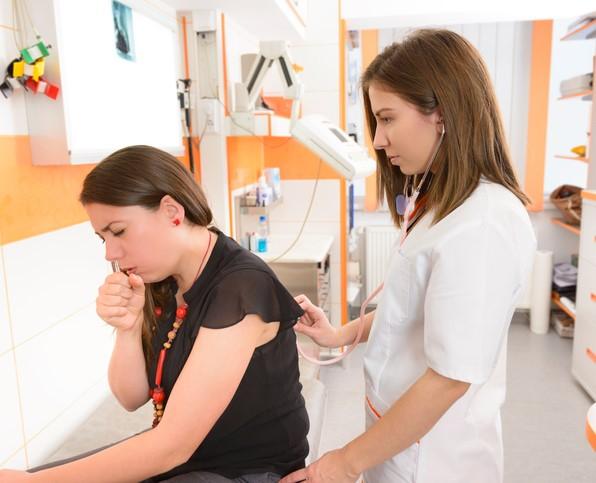
Doctor treating patient with a cough
oneblink-cj / iStock

CARB-X has announced funding for two projects exploring the use of less-invasive and quicker methods of diagnosing lower respiratory tract infections (LRTIs).

Both projects aim to simplify and accelerate diagnosis of LRTIs, which are a leading cause of death and illness worldwide and a contributing factor to inappropriate antibiotic use. Current methods of diagnosing LRTIs are complicated by the difficulty of acquiring sputum samples, which requires invasive procedures like bronchoscopy or deep suctioning.

Paris-based Exhalon will receive $1 million to evaluate the potential of a non-invasive test that uses volatile organic compounds in exhaled breath to indicate the presence of an LRTI. The money will fund a clinical trial that will enroll patients with suspected LRTIs to identify the compounds that originate from a patient’s response to infection.

The hope is that the findings will aid development of a rapid diagnostic test that could be used in various clinical settings and improve disease management and outcomes. 

“By turning a patient’s single breath into a diagnostic, we aim to demonstrate that the real time analysis of volatile organic compounds in exhaled breath can transform the management of respiratory infections, supporting faster, better-targeted decisions and strengthening antibiotic stewardship worldwide,” Stanislas Grassin Delyle, PharmD, principal investigator at Exhalon, said in a CARB-X (Combating Antibiotic-Resistant Bacteria Biopharmaceutical Accelerator) press release.

Blood samples for rapid pediatric LRTI detection

ProtonDx, based in London, will also receive $1 million to examine whether blood samples can be used to rapidly diagnose pediatric LRTIs. Working with researchers at Imperial College London, the company will evaluate RNA biomarkers of the body’s immune response to infection, with the aim of translating them into gene-based assays that can deliver quick results in emergency and remote-care settings.

“Rapid, reliable diagnostics are essential to ensuring that children with lower-respiratory tract infections receive the right treatment quickly, while also helping to reduce the misuse of antibiotics,” said Richard Alm, PhD, interim chief of research and development at CARB-X. 

Novel sample types for diagnosing LRTIs are a focus of CARB-X’s recent funding round. Since 2016, CARB-X has funded 121 projects designed to prevent, treat, and diagnose antibiotic-resistant infections.

This week's top reads

Our underwriters